Monitoring employees: what GDPR allows and where abuse begins
Guide to employee monitoring: the conditions set by the Labour Code and GDPR, the proportionality test, prior notice, video cameras, work email and geolocation.
Blog
All articles tagged with Electronic time tracking.

Guide to employee monitoring: the conditions set by the Labour Code and GDPR, the proportionality test, prior notice, video cameras, work email and geolocation.

Compare the three payroll models: in-house team, SaaS software and full outsourcing. Criteria on cost, control, compliance risk and the right moment for each one.

Shift planning guide: the 12-hour daily rest and the 48-hour weekly one, night shifts, uneven schedules, the 4-month reference period and the rules on communicating the roster.

Why time tracking kept apart from payroll produces errors, what data has to flow between the two, and what an integrated chain looks like, from clock-in to accounting export.

Guide to day labourers: which sectors you can legally use them in, the electronic register, payment at the end of the day, the tax withheld by the beneficiary and the duration limits.

What data an attendance register must contain in 2026, who fills it in, whether it can be electronic, the fines you risk without one and how it differs from the monthly timesheet.

Overtime calculation step by step: the hourly rate, the minimum 75% premium, compensation with time off within 90 days, combining with the night premium and public holidays.

A practical guide to digitalising time tracking: why Excel becomes a risk, which check-in methods exist (rotating QR, NFC, GPS), how to make the transition and what you gain.

How to choose HR software for a Romanian SME: the essential modules, the Romanian compliance criteria, the real costs and the questions to ask any vendor before you sign.

A guide to choosing time tracking software in 2026: what it must include, check-in methods (QR, NFC, GPS, kiosk), art. 119 compliance and the link to payroll.

What the monthly timesheet is, how it differs from daily time tracking, the mandatory fields it must contain and a practical template for filling it in correctly.

What the attendance register is, what art. 119 of the Labour Code says, who must keep one and which fields to fill in. Editable template included.

What HR digitalisation means for a Romanian SME, how to spot a half-finished one, and why compliance turns it from an option into a necessity.

Clear symptoms that HR records kept in Excel have become a risk: duplicate data, time tracking errors, late REGES filings, GDPR neglected. When to move to dedicated software.

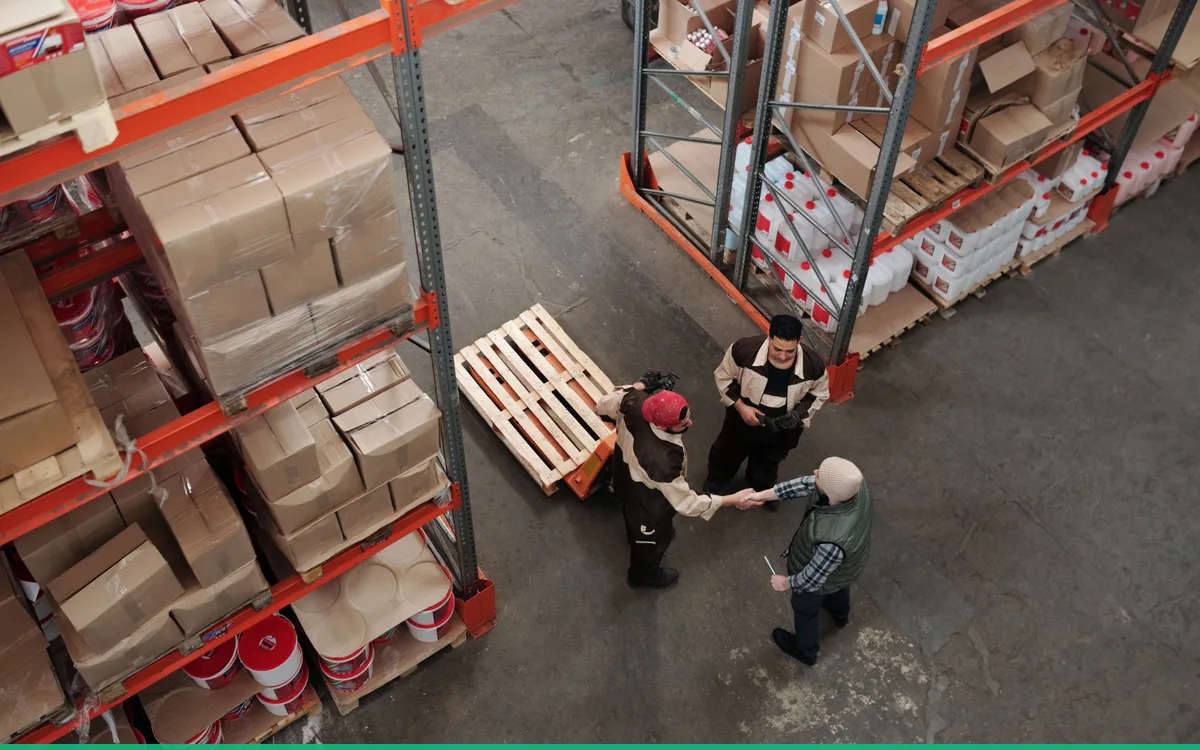
A practical guide to digital time tracking in networks with many work points: QR/NFC kiosk, central records per location, leave, shift planning and the REGES link.

The most common timesheet mistakes — late arrivals, missed breaks, transcription errors — the risks they create at an ITM labour inspection and how a sound process avoids them.

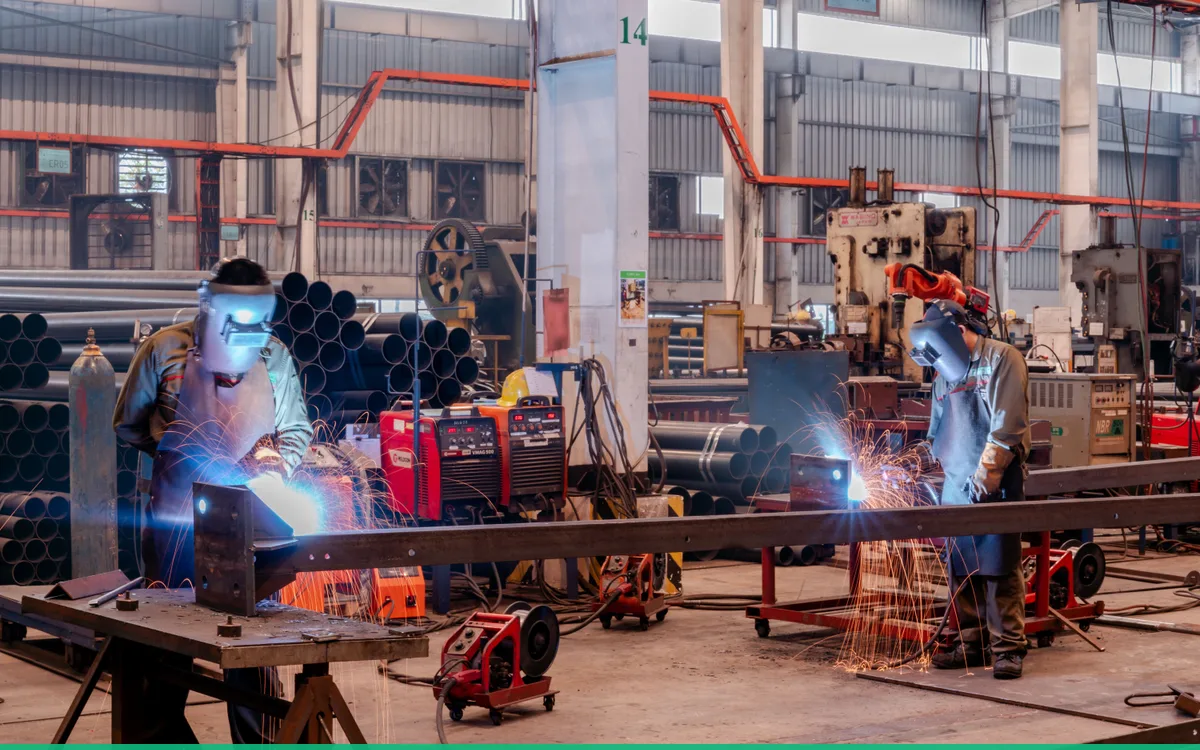
How to run electronic time tracking in a factory with 2-3 shifts and a night shift: the legal duty, methods that suit a shop floor, overtime and the link to payroll.

How to keep working time records on site, with mobile crews and subcontractors: the art. 119 duty, pay premiums, ITM risks and GPS clock-in on project zones.

A practical guide to choosing HR software for a Romanian company: types of solution, decision criteria, functional coverage and mandatory compliance (REGES, Labour Code, ITM).

Time tracking and the Labour Code: why it is mandatory (art. 119), what methods exist (paper, RFID/NFC, QR, kiosk, web/mobile) and how to choose the right one.

What changed for Romanian labour inspections in 2026: the fine for undeclared work rises to 40,000 lei per person, a cumulative cap of 1,000,000 lei, and body-worn cameras for inspectors.

How clocking in at a physical station works, with a rotating QR code and an NFC card, for teams that are not office-based or do not use a phone at work.

The complete calendar of public holidays in Romania in 2026: every legal holiday with its day of the week, the bridge days, working on holidays and how to plan time tracking.